 Read
Read
Publisher archive
Fiction House
Fiction House, Inc. 1938 - 1954 --- Fiction House was an American publisher of pulp magazines and comic books that existed from 1921 to the 1950s. By the late 1930s, publisher Thurman T. Scott expanded Fiction House into comic books developing its own staff employed either in-house or on a freelance basis such artists as Mort Meskin, Matt Baker, Nick Cardy, George Evans, Bob Powell, and Lee Elias, as well as female artists such as Ruth Atkinson, Fran Hopper, Lily Ren�e, and Marcia Snyder. The later-day owner's comics division was best known for its pinup-style good girl art, as epitomized by the company's most popular character, Sheena, Queen of the Jungle. -From Wikipedia
315
comics shown
Loose Comics
Issues filed directly under this category








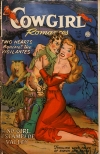
Cowgirl Romances
(1950 Series) 1950 to Winter 1952/1953 <b>Only missing some pages in a couple issue.</b> Issues published: 12 (#1-12)



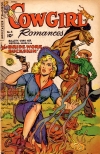


![Cowgirl Romances 008 [upgrade] - now c2c cover](https://digitalcomicmuseum.com/thumbnails/33066.jpg)




Fight Comics
(1940 Series) Jan 1940 to Jan 1954 Issues published: 86 (#1-86) <b>Still fiche or GM: 5, 13 Missing or fiche pages:� 6,10</b> If you have these please consider scanning and sharing them.


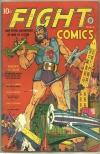

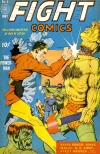


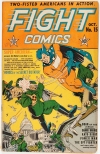


![Fight Comics 018 [now c2c] -upgrade cover](https://digitalcomicmuseum.com/thumbnails/22467.jpg)



Firehair Comics
(1948+51 Series) Winter 1948/49 to Winter 49/1950 COMPLETE SERIES! Issues published: 11 (#1-2;3-7;8-11) Tracking: Becomes Pioneer Western Romances #3-7 (1950). Continues as Firehair #8-11 (1951).
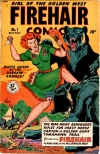
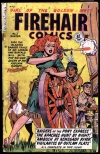
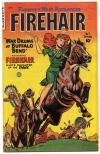


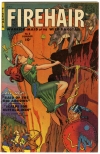


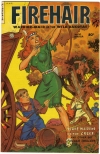

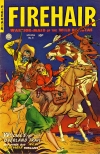
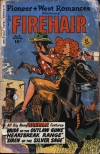

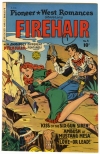

![Pioneer West Romances 006 [1950] cover](https://digitalcomicmuseum.com/thumbnails/425.jpg)
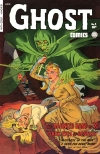
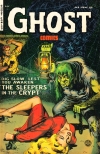
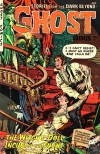
Ghost Comics
(1951 Series) 1951 to Summer 1954 Issues published: 11 (#1-11) COMPLETE SERIES! Title Notes: #6 has an indicia title of "Ghost"
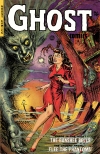






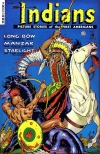
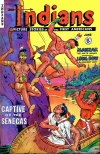
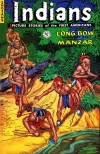
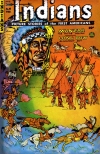
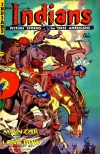
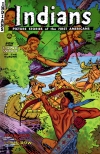
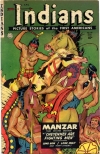
Indians
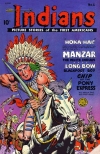
(1950 Series) Spring 1950 to Spring 1953 COMPLETE SERIES! Issues published: 17 (#1-17)







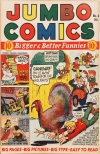
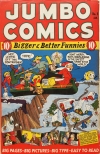
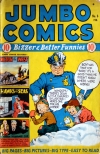
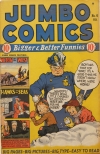
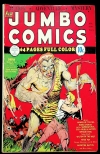
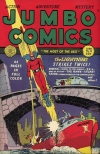
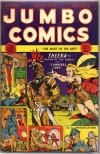
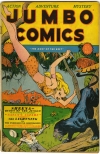
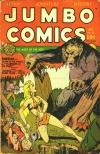
Jumbo Comics
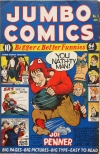
(1938 Series) 1938 to March 1953 Issues published: 167 (#1-167) <b>Still fiche only: 9,11; Missing some pgs: 14(has fiches),26,27,52,53</b> If you own any of these issues please consider scanning and sharing them. In September 1938, Jumbo Comics became the first comic book title Fiction House produced. Thurman T. Scott, head of the Pulp producing company, was interested in getting into comic books when he was approached by businessman Jerry Iger and future comics legend Will Eisner to do just that. For its first 9 issues, Jumbo was an oversized anthology featuring a number of different strips, most notably the first appearance of Sheena in #1(1-8 were B&W). With the 10th issue, the title went regular size, increasing to 68 pages but keeping the anthology format. During its 167 issue run, fans of the title would see hundreds of Sheena adventures as well as a host of additional strips. However, there's no doubt that the real star of Jumbo Comics was Sheena, Queen of the Jungle.









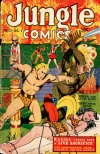
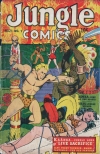
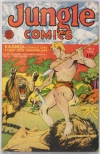
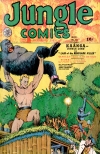
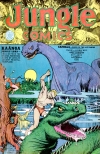
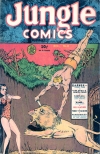
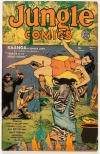
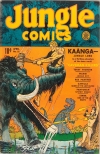
Jungle Comics
(1940 Series) January 1940 to Summer 1954 Issues published: 163 (#1-163) <b>Missing, damaged, fiche or GM pgs: 2, 6, 14, 29, 34<b> If you own these books please consider scanning and sharing them with us.


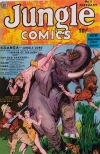

![Jungle Comics 003 [paper] cover](https://digitalcomicmuseum.com/thumbnails/22510.jpg)
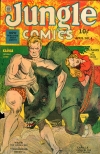
![Jungle Comics 004 [diff ver] cover](https://digitalcomicmuseum.com/thumbnails/33463.jpg)

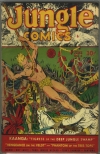
![Jungle Comics 006 [diff ver] cover](https://digitalcomicmuseum.com/thumbnails/33570.jpg)






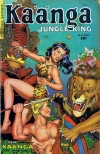
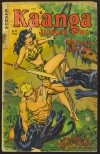
Kaanga
(1949 Series) Spring 1949 to Summer 1954 COMPLETE SERIES! Issues published: 20 (#1-20) <b>Missing pgs: 1,4</b> If you own these please consider scanning and sharing.
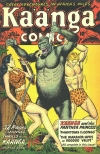
![Kaanga 001 [rescan] -upgrade cover](https://digitalcomicmuseum.com/thumbnails/24848.jpg)
![Kaanga 002 [rescan] -upgrade cover](https://digitalcomicmuseum.com/thumbnails/25312.jpg)
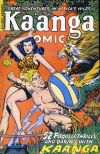
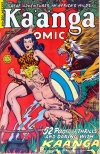


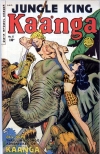
![Kaanga 005 [rescan] -upgrade cover](https://digitalcomicmuseum.com/thumbnails/25518.jpg)
![Kaanga 006 [rescan] -upgrade cover](https://digitalcomicmuseum.com/thumbnails/25519.jpg)

![Kaanga 008 [rescan] -upgrade cover](https://digitalcomicmuseum.com/thumbnails/25322.jpg)
![Kaanga 010 [rescan] -upgrade cover](https://digitalcomicmuseum.com/thumbnails/24675.jpg)


![Kaanga 012 [rescan] -upgrade cover](https://digitalcomicmuseum.com/thumbnails/25335.jpg)

![Kaanga 015 [rescan] -upgrade cover](https://digitalcomicmuseum.com/thumbnails/25454.jpg)
![Kaanga 016 [rescan] -upgrade cover](https://digitalcomicmuseum.com/thumbnails/25455.jpg)
![Kaanga 017 [rescan] -upgrade cover](https://digitalcomicmuseum.com/thumbnails/25456.jpg)
![Kaanga 018 [rescan] -upgrade cover](https://digitalcomicmuseum.com/thumbnails/25457.jpg)
![Kaanga 019 [rescan] -upgrade cover](https://digitalcomicmuseum.com/thumbnails/24680.jpg)
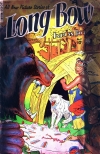
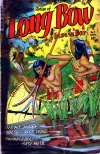
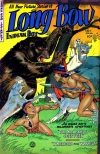
Long Bow
(1951 Series) 1951 to Winter 1952-1953 COMPLETE SERIES! Issues published: 9 (#1-9)




Man O'Mars
(1953 one-shot) Issues published: 1

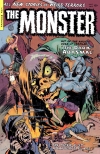
Monster
(1953 Series) COMPLETE SERIES! Issues published: 1-2 Title Notes: Indicia and cover title for first issue is "Monster", for second issue is "The Monster".

Movie Comics
(1946 Series) Dec 1946 to Aug 1947 COMPLETE SERIES! Issues published: 1-4


![Movie Comics 04 [rescan] -upgrade cover](https://digitalcomicmuseum.com/thumbnails/26146.jpg)
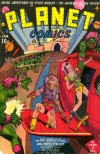
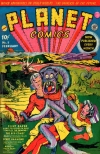
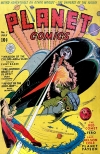
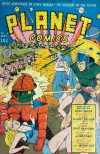
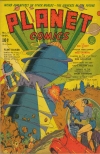
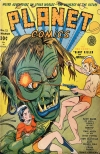
Planet Comics
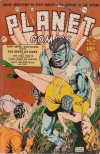
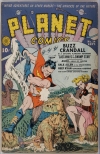
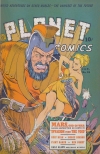
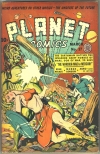
(1940 Series) January 1940 to Winter 1953 Issues published: 73 (#1-73) <b>Still fiche or GM: 6-8,11,13,15 Some fiche pages: 2,4,12,17,20,24,41</b> Featured art by such prominent artists as Will Eisner and Lou Fine. Debuting in January of 1940, Planet Comics was a comic book spin-off of Planet Stories, a pulp science fiction magazine. The focus of both Planet Comics and Planet Stories was space opera: powerful young men, beautiful and scantily clad young women, ray guns, space ships, and plenty of technobabble. Planet Comics started off as a monthly book then, perhaps because of paper rationing during World War 2 dropped down to a bimonthly title. Towards the end of the 1940s, Planet Comics was reduced again, this time to a quarterly title. Unfortunately, things didn't improve from there. For three years, 1950, 1951, and 1952, Planet Comics was released annually. After 1952, the title returned to a quarterly release schedule but the last nail was already in the coffin. The final issue of Planet Comics was number 73, released in the winter of 1953-54



![Planet Comics 004 [1 fiche][re-edit](JVJ) -Upgrade cover](https://digitalcomicmuseum.com/thumbnails/33672.jpg)
![Planet Comics 005 [paper] cover](https://digitalcomicmuseum.com/thumbnails/10589.jpg)









Rangers Comics
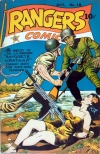
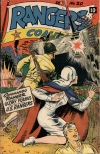
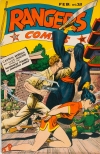
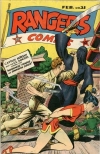
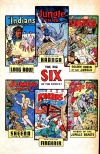
(1941 Series) December 1942 to Winter 1953 COMPLETE SERIES! (minus some pgs) Issues published: 69 (1-69) Rangers Comics was the last of Fiction House's much-advertised "Big Six of the Comics." Rangers was never monthly and was the first of the "Big Six" to be cancelled, with #69. The title was filled with war-themed stories through 1945, then became an intriguing anthology title. The title came full-circle when the last four issues featured a Korean War version of Commando Rangers. Rangers #1�5 covers featured a kid costume hero group, the Rangers of Freedom, although the strip became a Marine hero story with #5 (the cover to #5 was a mistaken carryover of the kid group). One of the first attempts at a horror theme, Werewolf Hunter, began in #8. A quasi-costume hero, Commando Ranger, appeared in #13�20. Rangers is best known for featuring one of the finest of the Western heroines�Firehair, Queen of the Sagebrush Frontier. She debuted in #21 (1945) and ran through #65 (1952) while serving as the cover feature for #40�65 with many of the best Fiction House covers of the 1948�52 period. A good horror strip, The Secret Files of Dr. Drew, ran in #47�60, with art by Jerry Grandenetti. His work in #47�56 strongly shows the influence of Will Eisner and has long been a favorite with collectors. Like Planet, the post-war issues of Rangers often offer attractive artists' work, including work by John Celardo, Matt Baker, Bob Lubbers, Ruben Moreira and Maurice Whitman. Again though, it's important to leaf through each issue. Fiction House comics tended to be produced in an assembly line manner and the result was anything but consistent. Tracking- Numbering continues from Rangers of Freedom Comics (Fiction House, 1941 series); numbering continues in Rangers (Fiction House, 1952 series).
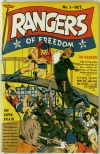


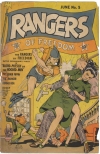
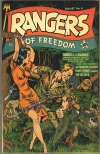
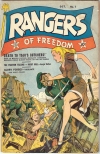


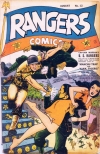
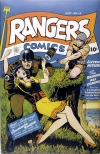
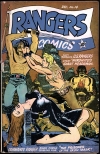


![Rangers Comics 016 [diff ver] cover](https://digitalcomicmuseum.com/thumbnails/31534.jpg)
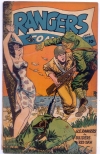
![Rangers Comics 018 [Edit]-JVJ cover](https://digitalcomicmuseum.com/thumbnails/13676.jpg)

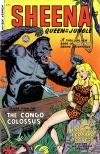
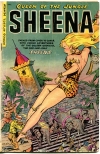
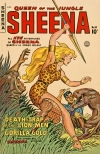
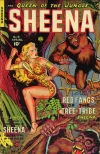
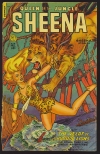
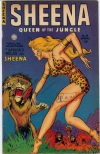
Sheena, Queen of the Jungle
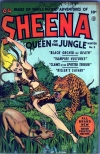
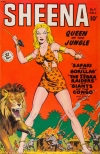
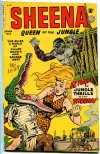
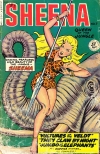
(1942 Series) Spring 1942 to Winter 1952/1953 Issues published: 18 (#1-18) <b>Missing pgs: 3,4,13</b> Sheena, Queen of the Jungle is a jungle-dwelling comic book character, published originally by Fiction House. Lithe, athletic, and clad in skimpy leopard skin, and barefoot, she possessed the ability to communicate with the wild animals she had grown up with since being orphaned in the jungle. She was the first female comic-book character with her own title, with her Spring 1942 premiere beating Wonder Woman #1 (Summer 1942) by three months.


![Sheena, Queen of the Jungle 03 [diff ver] cover](https://digitalcomicmuseum.com/thumbnails/33513.jpg)
![Sheena, Queen of the Jungle 03 [now c2c] -upgrade cover](https://digitalcomicmuseum.com/thumbnails/26973.jpg)




![Sheena, Queen of the Jungle 10 [c2c] -upgrade2 cover](https://digitalcomicmuseum.com/thumbnails/26974.jpg)


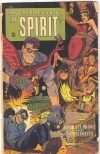
The Spirit
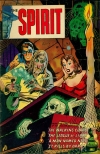
(1952 Series) Spring 1952 to 1954 Issues: 5 COMPLETE SERIES! #1 Not Eisner #2 Two Eisner Stories #4 One Eisner Story/Cvr #5 Four Eisner Stories



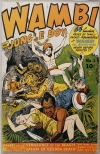
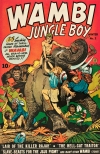
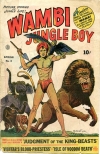
Wambi
(1942 Series) Spring 1942 to Winter 1952 COMPLETE SERIES! Issues published: 18 (#1-18) <b>Missing or damaged pages: 2</b>



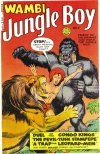
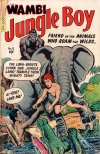
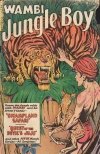
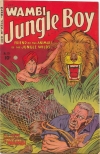

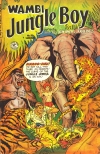

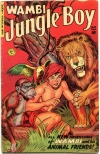
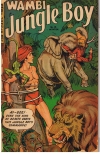


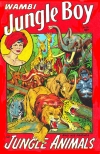


![Wambi 18 [diff ver] cover](https://digitalcomicmuseum.com/thumbnails/26975.jpg)
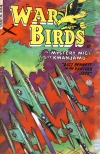
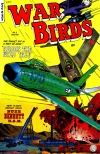
War Birds
(1952 Series) 1952 to Winter 1952-1953 COMPLETE SERIES! Issues published: 1-3

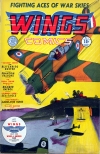


![Wings Comics 005 [rescan] upgrade cover](https://digitalcomicmuseum.com/thumbnails/28476.jpg)
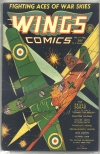
![Wings Comics 007 [rescan] upgrade cover](https://digitalcomicmuseum.com/thumbnails/28475.jpg)


![Wings Comics 009 [diff ver] cover](https://digitalcomicmuseum.com/thumbnails/28795.jpg)


![Wings Comics 012 [rescan] upgrade cover](https://digitalcomicmuseum.com/thumbnails/28459.jpg)

![Wings Comics 015 [rescan] upgrade cover](https://digitalcomicmuseum.com/thumbnails/28443.jpg)
![Wings Comics 016 [rescan] upgrade cover](https://digitalcomicmuseum.com/thumbnails/28432.jpg)


![Wings Comics 019 [rescan] cover](https://digitalcomicmuseum.com/thumbnails/30308.jpg)


![Wings Comics 021 [rescan] -upgrade cover](https://digitalcomicmuseum.com/thumbnails/28254.jpg)